DGCA Ground Classes: Complete Guide to Subjects and Exams (2026)
What are DGCA ground classes, which subjects do they cover, and how do the exams work? A clear guide for aspiring commercial pilots in India.
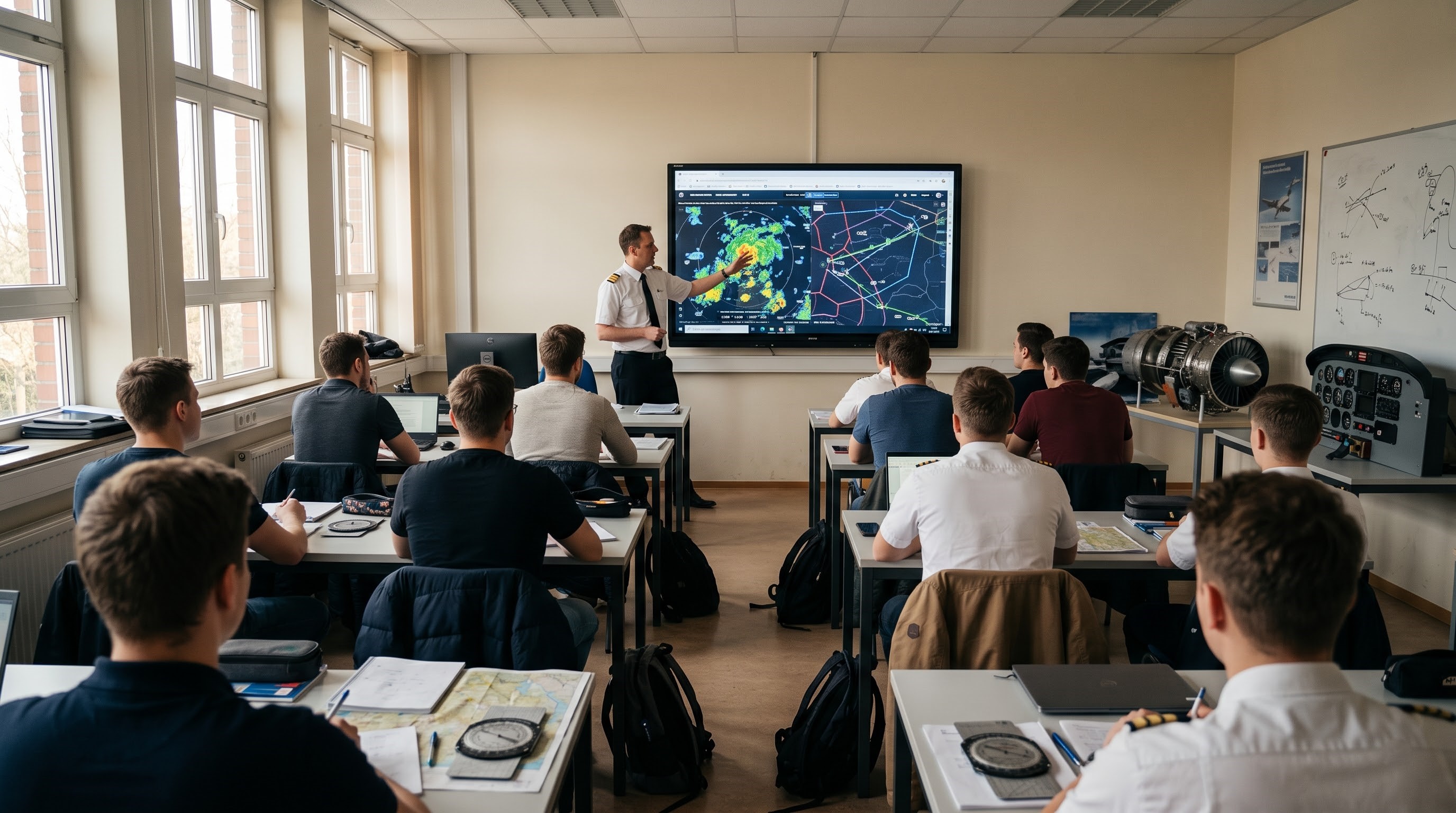
DGCA ground classes are the theory training that every aspiring commercial pilot in India completes before earning a Commercial Pilot Licence. They prepare students for the written examinations conducted by the DGCA, covering subjects such as Air Navigation, Aviation Meteorology, Air Regulations, and Technical knowledge of aircraft. Clearing these exams is a required step toward the licence, alongside flight training and a medical certificate.
What Are DGCA Ground Classes?
Ground classes, often called ground school, teach the theoretical knowledge a pilot needs before and during flight training. The classroom teaching is built around the DGCA syllabus, so each lesson maps directly to what will be asked in the written examinations. Most students attend structured batches led by instructors, with regular practice tests along the way.
Who Can Join Ground Classes?
To appear for the DGCA CPL theory examinations, candidates need a pass in 10+2 with Physics and Mathematics from a recognised board, or an equivalent qualification. Students from Commerce or Arts backgrounds can complete these two subjects through an open schooling route such as NIOS and then proceed. It is sensible to confirm your documents with your academy before enrolling, because eligibility for the exams and eligibility for the final licence are not exactly the same thing.
Subjects Covered in DGCA Ground Classes
The CPL theory syllabus is divided into separate papers, and each one is examined individually.
Air Navigation
This subject teaches route planning and position fixing, including chart work, wind calculations, flight planning, and the use of navigation aids. It is calculation heavy, and many students give it the most practice time.
Aviation Meteorology
Meteorology covers weather and how it affects flying, including pressure systems, winds, cloud formation, thunderstorms, icing, and visibility, along with reading weather reports and forecasts.
Air Regulations
Air Regulations covers the rules of the air, airspace structure, licensing rules, and the duties of a pilot in command, under both Indian and international frameworks.
Technical General
Technical General explains how aircraft work in general, including aerodynamics, structures, engines, instruments, and systems.
Technical Specific
Technical Specific covers the details of the particular aircraft type used in training, including its systems, limits, and performance.
Radio Telephony and English Proficiency
Pilots must also qualify in radio telephony, which covers standard phraseology for speaking with air traffic control, and demonstrate English language proficiency. These are separate from the main CPL theory papers, and students often confuse them with each other, so ask your academy how each one is scheduled.
How the DGCA Exams Work
Candidates register with the DGCA and obtain a computer number, which is needed before applying for the theory examinations. Exams are held several times a year, so students can plan their attempts around when they feel ready. The pass mark is high, commonly seventy percent per paper, which is why regular mock tests matter. Dates, fees, and rules are updated from time to time, so always check the latest DGCA notice before booking.
How Long Do Ground Classes Take?
Most students complete ground school in about six to twelve months, depending on batch structure, how many papers they attempt at a time, and whether any need a second attempt. Many academies let students begin flying while theory preparation continues, which can shorten the overall timeline.
Frequently Asked Questions
Do I need to finish all DGCA exams before starting flight training?
Not necessarily. Many students complete some or all of their theory papers before flying, while others overlap the two. The right order depends on your academy's structure and your own schedule.
What happens if I fail a DGCA paper?
You can reappear in a later session. Many students use the gap to revise the weaker topics and practise with mock tests before the next attempt.
Are online or classroom ground classes better?
Both can work. What matters most is structured teaching aligned to the DGCA syllabus, regular practice tests, and access to instructors who can clear your doubts.
Join DGCA Ground Classes at AVIORA
AVIORA Aviation Academy in Hyderabad runs structured DGCA ground classes taught by experienced airline pilots, with mock tests and doubt clearing sessions to help students prepare for every paper.
Ready to start the process? Aviora's admissions team responds within 48 hours.
Enroll Now →